
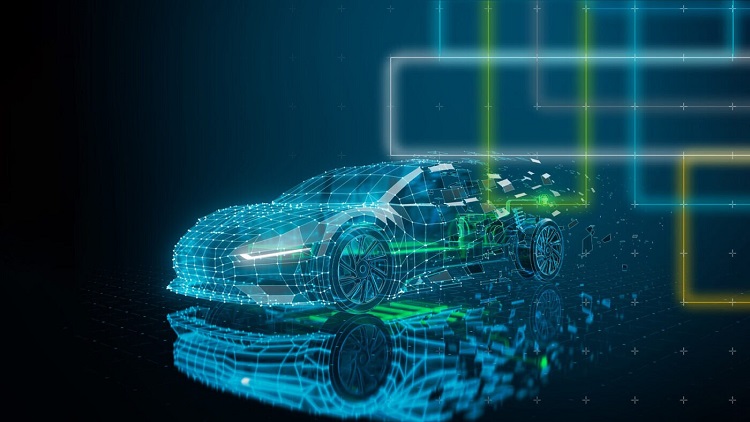
The world of automobiles is changing faster than ever before. From electric engines to self-driving cars, technology is reshaping how we travel, commute, and connect with the world. What once seemed like science fiction is now becoming part of our daily lives. The future of automobiles is not just about faster cars, it’s about smarter, safer, and more sustainable ways to move.
Technology at the Heart of Modern Driving
Cars today are more than just machines with wheels; they are intelligent systems powered by software, sensors, and artificial intelligence. Technology has turned driving into a connected experience where vehicles can talk to each other, predict traffic conditions, and even park themselves.
The introduction of GPS, lane-assist, automatic braking, and voice control systems has made driving easier and safer. However, this is only the beginning. As new technologies emerge, the automobile industry is heading toward a future where human effort will become less and less necessary.
To explore more updates on innovation and transportation trends, visit urbansplatter.uk, a platform that highlights creative advancements across different industries, including automobiles and technology.
Electric Vehicles: Leading the Green Revolution
One of the biggest shifts in the automobile industry is the rise of electric vehicles. These cars are powered by batteries instead of fuel, helping reduce pollution and dependence on oil. Major car companies like Tesla, BMW, and Toyota are investing heavily in electric technology to create cleaner and more efficient vehicles.
EVs are not only good for the environment but also for your wallet. They require less maintenance since they have fewer moving parts, and electricity is often cheaper than gasoline. Governments around the world are encouraging people to switch to electric cars by offering tax benefits and installing charging stations in public places.
In the near future, electric cars are expected to become the new normal, making cities quieter and air cleaner for everyone.
Self-Driving Cars: A New Era of Mobility
Imagine sitting in your car, relaxing, and letting it drive you to your destination—all by itself. This is no longer just a dream. Self-driving or autonomous cars are being developed by leading tech companies and automakers using advanced sensors, cameras, and AI algorithms.
These cars can analyze road conditions, identify obstacles, and make decisions faster than humans. While full automation is still being tested, partial self-driving features are already available in many modern cars.
The main goal is to reduce accidents caused by human error and make driving more comfortable and accessible for everyone, including the elderly and people with disabilities.
You can also find informative discussions on transportation innovation and smart city development in the general section of Urban Splatter, which covers modern trends shaping the way people live and move.
Connected Cars and Smart Infrastructure
The future of automobiles also depends on how cars connect with their surroundings. “Connected cars” can communicate with traffic signals, other vehicles, and even smartphones to share real-time data. This technology improves navigation, reduces congestion, and makes travel more efficient.
For example, a connected car can alert drivers about accidents ahead or suggest alternative routes to save time. In the coming years, roads and cities will become “smart,” working together with vehicles to create smoother traffic flow and reduce emissions.
Such innovations also open doors for safer journeys. In case of emergencies, connected cars can automatically contact rescue services and send their location, saving precious minutes that could save lives.
Artificial Intelligence and Predictive Maintenance
AI is becoming a key part of the automobile industry. Cars now use AI to learn from driver behavior, improve safety, and even predict when parts need maintenance. This feature, called predictive maintenance, can alert drivers before a problem occurs, helping avoid breakdowns and costly repairs.
For instance, if your car senses unusual vibrations or temperature changes, it can notify you immediately. AI also personalizes driving experiences by adjusting seat positions, lighting, and temperature based on your habits.
The Role of Sustainability and Future Challenges
While technology is creating exciting opportunities, it also brings new challenges. Producing electric batteries requires rare materials, and cybersecurity concerns are increasing as cars become more connected to the internet.
However, innovation continues to move toward sustainability. Companies are now developing eco-friendly batteries, recyclable materials, and energy-efficient systems. In the next decade, the automobile industry will likely focus on balancing performance with environmental responsibility.
Conclusion
The future of automobiles promises a smarter, safer, and greener world. From electric engines and AI systems to self-driving technology and smart infrastructure, every advancement is transforming the way we drive. These changes will make our journeys more efficient, comfortable, and environmentally friendly.
As technology continues to evolve, the line between human and machine will blur. Still, one thing is certain: the automobile industry is driving us toward a more connected and sustainable future. By embracing these innovations, we’re not just improving cars; we’re shaping the way humanity moves forward.