
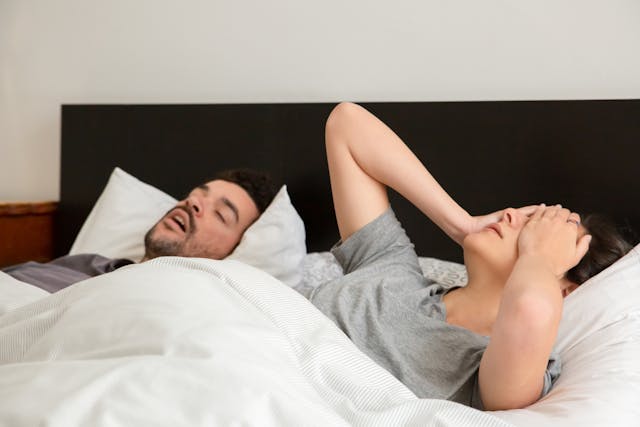
Waking up after a full night’s sleep should leave you feeling refreshed and ready to take on the day. However, for millions of people, this is rarely the case. If you consistently wake up feeling tired, groggy, or irritable, you might be experiencing something more than just a restless night. These feelings could be signs of a common but serious sleep disorder: sleep apnea.
Understanding the symptoms of sleep apnea is the first step toward getting a diagnosis and finding a solution. This condition causes you to repeatedly stop and start breathing while you sleep, which can have a significant impact on your overall health and quality of life. We’ll explore the key symptoms to watch for, what causes them, and what you can do to get help.
What is Sleep Apnea?
Sleep apnea is a sleep disorder characterized by pauses in breathing or periods of shallow breathing during sleep. These pauses, called apneas, can last from a few seconds to minutes and may occur 30 times or more an hour. When your breathing pauses or becomes shallow, you’ll often move out of deep sleep into a lighter sleep.
There are three main types of sleep apnea:
- Obstructive Sleep Apnea (OSA): This is the most common form. It occurs when the muscles in the back of your throat relax and block your airway during sleep.
- Central Sleep Apnea (CSA): This type happens when your brain fails to send the proper signals to the muscles that control breathing.
- Complex Sleep Apnea Syndrome: Also known as treatment-emergent central sleep apnea, this is a combination of both OSA and CSA.
Because these breathing interruptions disrupt your natural sleep cycle, the quality of your rest suffers. This leads to daytime sleepiness and a host of other health concerns if left untreated.
Common Signs and Symptoms You Shouldn’t Ignore
The signs of sleep apnea can be subtle, and many people are unaware they have the condition. Often, a partner or family member is the first to notice the symptoms. Here are the most common indicators to pay attention to.
Loud, Persistent Snoring
While not everyone who snores has sleep apnea, loud and chronic snoring is a primary symptom. The sound is often caused by air trying to squeeze through a narrowed or blocked airway. With sleep apnea, the snoring is often punctuated by periods of silence, followed by gasps or choking sounds as the person struggles to breathe. A partner might describe it as a freight train that suddenly goes quiet before a loud snort or gasp.
Pauses in Breathing During Sleep
This is the hallmark sign of sleep apnea. A bed partner may notice that you stop breathing for short periods throughout the night. These pauses can be alarming to witness. The person sleeping may be completely unaware of these episodes, but the brain registers the lack of oxygen and sends a panic signal to wake the body up just enough to resume breathing. This cycle prevents the body from reaching the deeper, more restorative stages of sleep.
Waking Up Gasping or Choking
The sensation of waking up abruptly while choking or gasping for air is a frightening but common experience for individuals with sleep apnea. This happens when your body’s survival instincts kick in after a breathing pause. The sudden jolt awake is your brain’s emergency response to restore oxygen flow. You might wake up with your heart racing and a sense of panic before quickly falling back asleep, often with no memory of the event in the morning.
Excessive Daytime Sleepiness
One of the most significant impacts of sleep apnea is how it affects your waking hours. Even after spending eight hours in bed, you may feel an overwhelming sense of fatigue and sleepiness throughout the day. This isn’t just feeling a little tired; it’s a profound exhaustion that can make it difficult to concentrate, stay awake at work, or even drive safely. You might find yourself dozing off during quiet moments, such as while reading, watching TV, or sitting in a meeting.
Other Key Symptoms to Watch For
Beyond the most prominent signs, sleep apnea can manifest in various other ways that affect your physical and mental well-being.
Morning Headaches
Do you frequently wake up with a pounding headache? This can be a result of decreased oxygen levels in your brain during the night. The repeated apneas cause carbon dioxide to build up in your bloodstream, which can lead to the widening of blood vessels in your head, resulting in a dull, throbbing pain upon waking. These headaches typically resolve within a few hours of being awake and breathing normally.
Difficulty Concentrating and Memory Problems
The constant sleep interruptions prevent your brain from getting the rest it needs to function correctly. This can lead to cognitive issues, often described as “brain fog.” You may find it challenging to focus on tasks, experience memory lapses, or struggle with problem-solving. Over time, this can impact your performance at work or school and create frustration in your daily life.
Mood Swings, Irritability, or Depression
Sleep deprivation has a powerful effect on emotional regulation. When you’re constantly exhausted, it’s common to feel irritable, short-tempered, and emotionally volatile. The chronic lack of quality sleep can also contribute to or worsen symptoms of anxiety and depression. If you notice unexplained changes in your mood, it’s worth considering whether a sleep disorder could be the underlying cause.
Waking Up with a Dry Mouth or Sore Throat
Breathing through your mouth is common when your nasal passages are blocked or your throat airway is obstructed during sleep. This can leave you waking up with an uncomfortably dry mouth or a persistent sore throat. While these symptoms can have other causes, they are frequently associated with the breathing patterns of someone with obstructive sleep apnea.
Frequent Urination at Night (Nocturia)
Waking up multiple times during the night to use the bathroom can be another overlooked sign of sleep apnea. The changes in pressure within your chest caused by breathing difficulties can affect blood flow and stimulate the production of a hormone that increases urine output. These frequent awakenings further contribute to a fragmented and unrefreshing night’s sleep.
When to Seek Professional Help
If you recognize several of these symptoms in yourself, or if a partner has expressed concern about your breathing during sleep, it is essential to speak with a healthcare professional. Sleep apnea is a serious medical condition that can lead to significant health complications if left untreated, including high blood pressure, heart disease, stroke, and type 2 diabetes.
A proper diagnosis is the first step toward effective treatment. A doctor may recommend a sleep study, either at home or in a specialized sleep center, to monitor your breathing, heart rate, and oxygen levels while you sleep. This study will confirm whether you have sleep apnea and determine its severity.
Fortunately, there are highly effective treatments available. Our experienced and friendly team strives to provide a comfortable patient experience in a relaxing and modern environment, focused on your unique dental health needs. For many patients, custom-fit oral appliances offer a comfortable and convenient alternative to traditional CPAP machines. These devices work by gently repositioning your jaw to keep your airway open while you sleep.
Don’t let poor sleep control your life any longer. Addressing the symptoms of sleep apnea can dramatically improve your energy levels, mental clarity, and overall health. Contact a qualified dental or medical professional to discuss your concerns and explore the treatment options that are right for you. Taking this step can help you finally achieve the deep, restorative rest you deserve.
Mark S. Roisman, DMD, is dedicated to providing compassionate and comprehensive dental care to patients in the Westport area and beyond. Specializing in a range of treatments, Dr. Roisman focuses on improving oral health and overall well-being. Learn more about how he can help address sleep apnea to promote better rest and quality of life.