
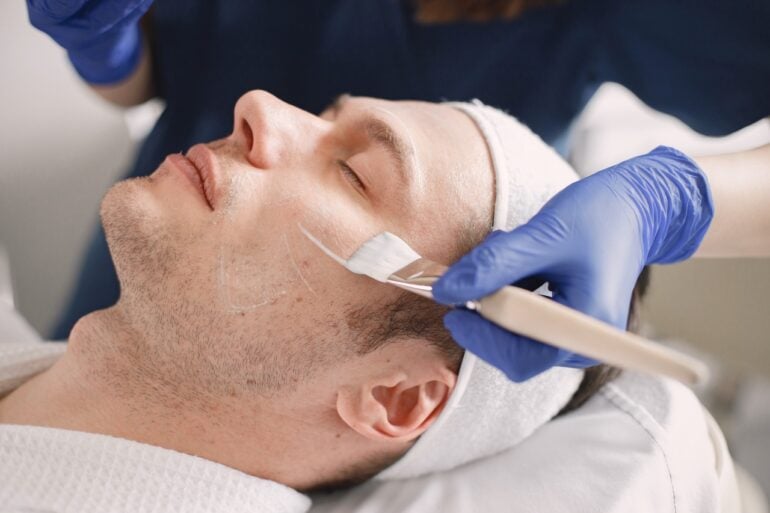
Dealing with an uneven skin tone frustrates anyone trying to maintain a clear, radiant complexion. You might look in the mirror one morning and notice new brown patches or small, stubborn dots scattered across your cheeks. These dark spots, clinically known as hyperpigmentation, happen when your skin produces an excess amount of melanin. While a consistent skincare routine using SPF, vitamin C, and retinol can help fade these spots, professional treatments such as chemical peels may be necessary to see significant improvement.To effectively fade these marks, you must first understand exactly why they appear. Here are the top five reasons dark spots develop on your skin and what you can do about them.
1. Excessive Sun Exposure
The sun serves as the leading culprit behind most skin discoloration. When ultraviolet (UV) rays hit your skin, your body produces extra melanin to protect itself from cellular damage. Over years of consistent exposure, this excess pigment clumps together, forming visible sunspots or solar lentigines. These spots typically appear on areas that see the most daily light, such as your face, chest, shoulders, and the backs of your hands.
2. Hormonal Fluctuations
Sudden shifts in your hormone levels often trigger a specific type of hyperpigmentation called melasma. This condition causes larger, symmetrical brown or gray patches to form, usually across the forehead, cheeks, and upper lip. Melasma frequently occurs during pregnancy, earning it the nickname “the mask of pregnancy.” Additionally, starting birth control pills or undergoing hormone replacement therapy can stimulate your pigment-producing cells and cause these dark patches to surface unexpectedly.
3. Post-Inflammatory Hyperpigmentation
Any significant injury or severe inflammation can leave a lasting dark mark long after the initial wound heals completely. Dermatologists call this post-inflammatory hyperpigmentation (PIH). Severe acne breakouts, bug bites, minor burns, or aggressive scratching can all traumatize the delicate layers of your skin. As the skin repairs this physical damage, it frequently overproduces melanin in that exact location. This leaves behind a flat, discolored spot that can take several months to fade naturally.
4. The Natural Aging Process
As you grow older, your skin undergoes significant structural changes. Your cellular turnover rate slows down considerably, making it much harder for your body to shed damaged, pigmented cells. Furthermore, decades of incidental sun exposure finally catch up to you. The combination of slowed regeneration and accumulated UV damage leads to the development of age spots, which become increasingly prominent after you turn forty.
5. Specific Medications
Certain prescription medications carry side effects that directly alter your skin’s pigmentation. For example, some non-steroidal anti-inflammatory drugs (NSAIDs), antimalarial drugs, and specific antibiotics like tetracyclines can make your skin highly sensitive to sunlight. This heightened photosensitivity drastically increases your risk of developing dark spots when you step outside. If you notice sudden discoloration after starting a new prescription, consult your doctor immediately to discuss alternative options.
Taking Action to Restore Your Complexion
Treating dark spots requires consistent patience and a highly targeted approach. First, you must wear a broad-spectrum sunscreen every single day to prevent existing spots from darkening further. Next, consult a board-certified dermatologist to confirm the exact cause of your hyperpigmentation. A medical professional can recommend the most effective interventions, ranging from prescription topical creams to professional resurfacing treatments. By understanding the true root cause, you can confidently choose the right strategy to fade dark spots and restore a healthy, even skin tone.