
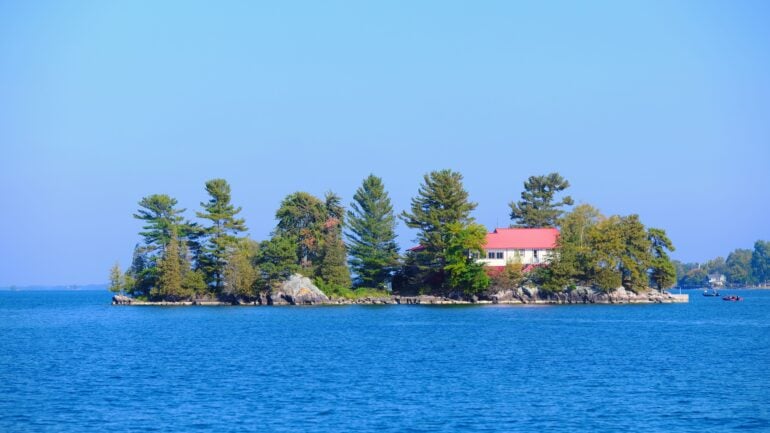
Owning a private slice of paradise is a common dream. You imagine stepping onto your own secluded beach, miles away from the noise, but turning an untouched stretch of sand into a comfortable home requires serious planning. When you start exploring the market for international real estate, you quickly realize that buying the land is only the first step. You aren’t just buying a plot; you’re taking on the role of a city planner.
You’ll need to build the foundational systems that keep a household running. You can’t rely on a municipal grid to deliver your water, electricity, or internet. Everything must be generated, stored, and managed on-site. Designing these systems correctly ensures your island remains a peaceful retreat rather than a constant source of maintenance headaches. Let’s explore the essential infrastructure you need to consider before breaking ground on your private sanctuary.
Independent Power Generation
The most critical system on any remote property is your power supply. Historically, island owners relied on diesel generators. While they get the job done, they’re loud, they smell, and they require a constant supply of imported fuel. Today, smart buyers lean strongly toward renewable energy.
Solar power provides the most reliable and silent energy source for tropical locations. By setting up a robust solar array and pairing it with a high-capacity lithium battery bank, you’ll capture enough sunlight to run refrigerators, air conditioning, and lighting through the night. Wind turbines offer a fantastic backup in coastal areas where ocean breezes blow consistently. You’ll still want a backup generator for prolonged cloudy stretches, but designing a system around renewables keeps your running costs low and preserves the natural tranquility of your environment.
Sourcing Fresh Water
You can surround yourself with miles of ocean, but you still need a way to shower and drink. Securing a reliable fresh water supply takes careful engineering. The traditional method involves rainwater harvesting. You’ll design your roofs to catch rain, directing it into large underground cisterns.
However, relying solely on rain leaves you vulnerable during dry seasons. To guarantee an endless supply, you’ll need to install a reverse osmosis desalination plant. These systems pull seawater, filter out the salt, and pump fresh water directly into your plumbing. Modern desalination tech runs efficiently on solar power, making it a perfect match for an off-grid setup. You’ll also need pressurized pumps to move the water from storage tanks to your faucets, ensuring your pressure feels just like it does on the mainland.
Self-Contained Waste Management
When you’re disconnected from a city sewer line, dealing with waste becomes your direct responsibility. You can’t just pipe sewage into the ocean; doing so ruins the surrounding coral reefs and violates environmental laws. You’ll need a self-contained waste management strategy.
For blackwater, most islands use advanced aerobic treatment systems or high-grade septic tanks. These systems break down waste safely, eventually releasing harmless, treated water into a designated drain field well away from the shoreline. For daily household trash, you’ll need a specialized plan. Composting organic waste creates excellent fertilizer for your landscaping. For everything else, you’ll need to invest in a commercial-grade trash compactor and arrange for regular barge pickups to haul non-recyclable refuse back to the mainland.
Access and Logistics
Getting to your island shouldn’t feel like a dangerous expedition. How you and your guests arrive dictates the kind of entry infrastructure you must build. At a minimum, you’ll need a sturdy, deep-water dock. The dock must withstand seasonal storms, changing tides, and the weight of supply barges that bring building materials and fuel.
If you plan on flying in, you’ll need to evaluate the terrain for a helipad or a seaplane ramp. A helipad requires a flat, cleared area with a solid concrete foundation and proper wind socks. Building these access points correctly ensures you aren’t isolated when weather conditions get rough, guaranteeing that emergency services can reach you if necessary.
Staying Connected to the World
True isolation sounds romantic until you need to check an important email or stream a movie on a rainy afternoon. In the past, getting reliable internet involved slow, expensive satellite connections that dropped out during every rainstorm. Thankfully, communications tech has evolved.
Low-earth orbit satellite networks now provide high-speed, low-latency internet to almost anywhere on the planet. You’ll need a secure, weather-proof mounting system for your receiver dish and a property-wide mesh Wi-Fi network. This ensures a strong signal whether you’re sitting in the living room or lounging by the dock. For safety, it’s wise to keep a marine VHF radio base station operational as a failsafe communication method with passing ships.
Staff Quarters and Maintenance Facilities
Maintaining an off-grid property isn’t a one-person job. You’ll likely employ a caretaker or groundskeepers to keep the systems running smoothly while you’re away. They need their own dedicated infrastructure.
You’ll want to build comfortable staff quarters that include their own kitchen and living spaces. Alongside their housing, you’ll need a substantial maintenance shed or workshop. This building will house your tools, spare parts for the generator, extra solar inverters, and landscaping equipment. When a pump breaks on a Tuesday night, you can’t just run to a local hardware store. Your island must operate as a fully stocked utility company, meaning you need the physical space to store replacement parts for every critical system.
Building the backbone of a private island requires patience, capital, and a clear vision. You’re essentially creating a self-sustaining micro-city from scratch. While the logistical hurdles might seem intimidating at first, conquering them yields an unmatched reward. Once the solar panels hum quietly, the fresh water flows, and your dock safely welcomes you home, the effort pays off entirely. You get to enjoy the ultimate level of privacy and freedom, safe in the knowledge that your personal retreat can support you flawlessly in the middle of the ocean.