
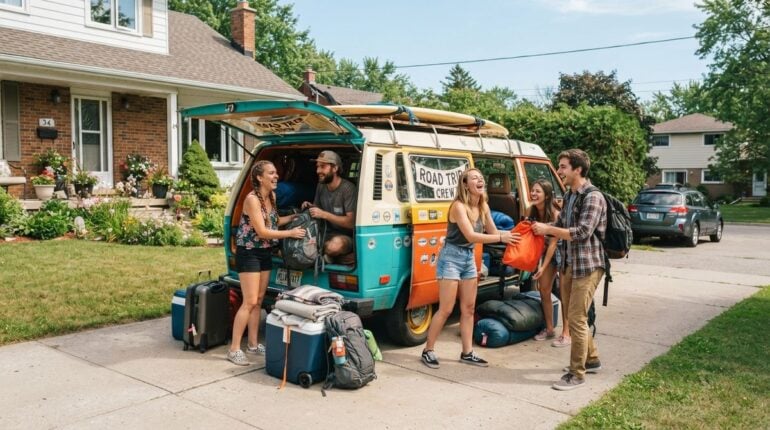
A school trip can be an exciting milestone. Children visit museums, farms, science centers, or historic sites, and they often return with stories and new curiosity. Yet the days before the trip can be stressful for parents. Permission letters arrive late, lists of required items seem long, and a child may feel nervous about being away from home or about spending time with classmates in unfamiliar places. A calm, organized approach removes most of this pressure. This article explains how to read the permission letter carefully, pack a simple bag, talk through the day with your child, and look after belongings and health so that the trip feels like a happy adventure from start to finish.
Reading the permission letter
The permission letter is the most important document in the preparation process. Read it slowly and highlight the key information, such as the date, the departure and return times, the cost if any, the meeting place, and the deadline for returning the form. Note any requirements for medication, dietary needs, or emergency contacts, and make sure the school has up-to-date details. If something is unclear, call or message the school office early rather than guessing, since a quick question now saves confusion later.
Check the list of items the school recommends. Some trips require a packed lunch, a water bottle, sensible shoes, or a waterproof jacket, while others ask families to avoid bringing valuables. Pin the letter to a noticeboard or keep it in a folder that stays in the same place at home. Many families also set a reminder for the deadline on their phone, so that the form is returned on time and the child is not left out of the trip.
Packing a simple bag
A simple bag works better than an overstuffed one. Pack only what the school asks for, along with a few sensible extras such as a spare pair of socks, a small pack of tissues, and a plastic bag for wet items. Label clothing and water bottles with the child’s name, because items are easily mixed up during a busy day. Avoid bringing expensive toys, large amounts of money, or fragile items unless the school has specifically allowed them.
Practice the packing with your child the evening before. Ask them to find each item in the bag and to say what it is for. This simple exercise builds independence and reduces the chance of forgetting something important. Keep a small checklist on the fridge or inside the bag so that the routine becomes familiar. Many children enjoy ticking items off a list, and the habit can be useful for future trips too. Readers may also want to visit rapid-debt-consolidation.com.
- Water bottle and a packed lunch if the school asks for one
- Weather-appropriate layers and sensible footwear
- Name labels on clothing, bottles, and bags
- Permission form signed and returned before the deadline
- Any medicine in its original container with clear instructions
Talking through the day
Children feel calmer when they know what will happen. Talk through the day in simple, positive language, explaining where the bus leaves, who the teacher will be, what the schedule looks like, and when lunch will be eaten. Ask your child what they are most looking forward to and whether anything worries them. Listen without rushing to fix every concern, and let them know that feeling nervous is normal before a new experience.
Practice a few simple skills that may help during the trip. Show your child how to ask a teacher for help, how to say they need the toilet, and how to stay with the group if they become separated. Encourage them to make a friend in the bus or during lunch, since a shared activity often makes the day more enjoyable. If your child has a specific worry, such as travelling by bus or sleeping in an unfamiliar place, consider speaking with the teacher beforehand. You can also visit mortgage-2you.com for more reading.
Plan for the return as well. Ask your child to tell you one thing they enjoyed and one thing they learned, which encourages reflection and gives you a lovely conversation starter. Check the bag for any items that belong to others and return them promptly. Keep the permission letter and any trip information in the family folder, in case it is needed for future reference. For a related read on this site, see How to Plan a Practical Household Spending Reset. Remember that every school has its own policies on trips, so if you have questions about safety, supervision, or insurance, contact the school directly, since a qualified school leader can give accurate answers for your situation.
Looking after belongings and health
Labeling and organizing belongings helps reduce loss. Keep valuables at home and make sure the child knows where to put their bag during activities. Remind them to keep their water bottle close and to tell a teacher if they feel unwell. If your child takes medication, confirm with the school how it will be stored and given, and provide clear written instructions. Never assume that a teacher knows about a health need unless the information has been shared in writing.