
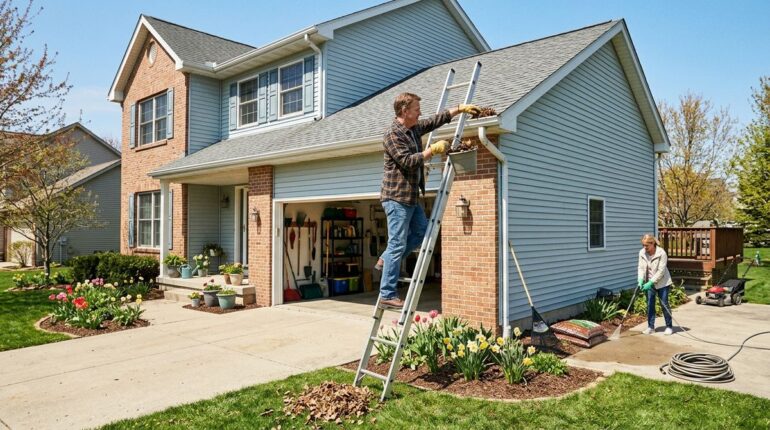
Home maintenance often feels like a series of unexpected chores that disrupt daily life rather than a supportive practice. When items break or spaces become cluttered, the reaction is frequently one of frustration or urgency. Shifting this perspective requires seeing maintenance as a rhythmic, ongoing process rather than a list of tasks to complete once and forget. By establishing gentle habits, you create a living environment that supports your comfort and daily routines.
The Philosophy of Rhythmic Home Care
The core of a sustainable maintenance approach lies in consistency rather than intensity. Instead of setting aside entire days for deep cleaning or major repairs, think about how you can integrate small, manageable actions into your daily or weekly patterns. This method reduces the mental weight of overwhelming projects and ensures your home stays functional and inviting over time.
This rhythmic approach honors the fact that your home is a dynamic space. Its needs change with the seasons, your personal habits, and the passage of time. When you view maintenance as a form of care for your environment, it transforms from a burden into a purposeful habit. This shift allows you to feel more connected to the place where you spend much of your time, fostering a sense of order and calm.
Breaking Down Maintenance Tasks
To begin, it is helpful to categorize your tasks based on frequency and necessity. This organization helps you see what can be handled quickly and what requires more focused attention. You might consider grouping activities that naturally happen together, such as those related to kitchen hygiene or those involving seasonal outdoor preparation. Creating a simple list of these categories can serve as a helpful guide.
Here are a few ways to organize your efforts:
- Daily upkeep: Small actions that keep surfaces clear and prevent long-term buildup.
- Weekly rhythm: Tasks that refresh specific areas or handle items that accumulate quickly.
- Monthly check-ins: Looking at systems like filters, drains, or lighting to ensure they continue to function well.
- Seasonal transitions: Larger tasks that prepare your home for shifting weather conditions.
Adapting Your Space to Changing Needs
Your living space must remain flexible to serve you best. As your lifestyle evolves, the way you use different rooms may change, necessitating adjustments in your maintenance focus. Being observant allows you to notice these shifts before they become problematic. When you pay attention to how a room is used, you can better anticipate its specific needs, whether it involves rearranging storage to improve accessibility or refreshing surfaces that see heavy use.
While managing your home environment, you might also find it valuable to keep a broader perspective on the changing world around you. Maintaining awareness of current events can provide helpful context for your daily life, and for this, resources such as butlerdispatch.com can help keep you connected to the latest global developments without causing unnecessary stress.
Prioritizing Preventive Habits
Preventive care is the most effective way to reduce the need for major repairs. By addressing small issues as they arise, you avoid the time-consuming process of correcting larger problems later. This might involve tightening loose hinges, clearing debris from pathways, or ensuring that appliances are cleaned according to their usage. These small, preventive actions are far easier to manage when they are woven into your regular schedule.
When you are looking for fresh ideas or general inspiration for your home life and lifestyle improvements, exploring various perspectives is often beneficial. Browsing sites like hunbaba.com can offer helpful, general insights that might inspire you to organize your space differently or approach your daily habits with renewed clarity and purpose.
Sustaining Your Maintenance Workflow
The final step in establishing this rhythm is ensuring it remains sustainable for you personally. It is important to remember that maintenance is not about perfection. Some days, your routine might be interrupted, and that is perfectly acceptable. The goal is to return to your established rhythm when you are able, rather than feeling like you have failed. This flexibility is what truly makes a system sustainable in the long run.
As we discussed before regarding achieving inner peace amidst constant news, maintaining a calm and orderly environment is essential for both your mental clarity and your physical home. By keeping your maintenance routine balanced and manageable, you protect your time and energy, allowing your home to serve as a genuine place of rest rather than another source of stress or obligation.
Ultimately, home maintenance is about creating a supportive container for your life. By observing the natural rhythms of your home and adopting small, consistent habits, you foster a space that adapts to your needs and provides a sense of reliability. This approach allows you to spend less time reacting to the unexpected and more time enjoying the comfort of a well-cared-for home.