
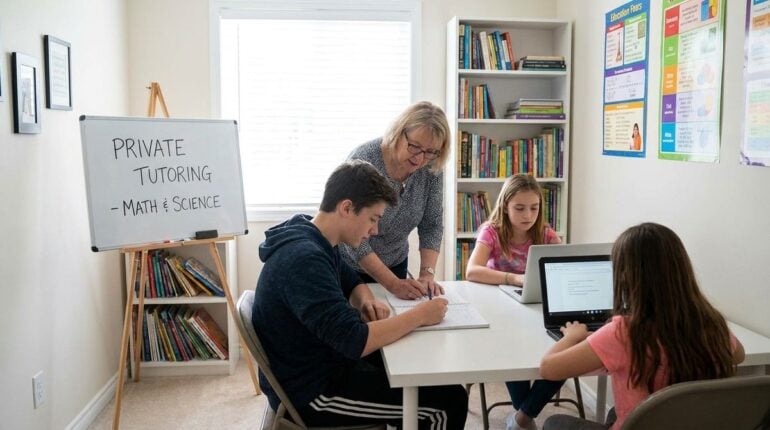
Two tutors sharing a classroom or a small learning center can produce excellent lessons, but only when they divide their roles clearly. Without an agreed plan, one tutor may plan every lesson while the other handles every parent call, or both may explain the same concept in different ways. The approach below helps co-teachers set expectations, share responsibilities fairly and keep their working relationship strong.
Define the Teaching Goals Together
Start by agreeing on what the students should achieve by the end of each unit. Discuss which skills matter most, how progress will be measured and what kind of support each learner needs. Shared goals create common ground when the two tutors disagree about pacing or method, because the argument shifts from personal preference to the learners’ needs.
Write the goals on a shared page with examples of what success looks like in a real lesson. Concrete examples help both tutors recognize progress, and they make the goals easier to review at the end of the term. Share the examples with students’ families when it helps them understand the goals.
Readers may also want to visit Diving Legal Consultant. Keep the research focused on approaches rather than on fixed materials, since every class has its own rhythm. The tutors should own the final plan together, and both should be able to explain it to a visitor in a few sentences. A short written summary at the top of the plan helps substitute tutors step in without losing momentum. Keep a copy of the summary in the staff folder so it is easy to find.
Split Planning, Teaching and Feedback
Divide the work into three parts: planning, teaching and follow-up. One tutor might draft the lesson outline while the other prepares the practice sheets and the checks for understanding. Both should attend each class, and whoever is not leading the session can take notes and watch for confusion on individual faces.
Rotate the lead role during a unit so both tutors get experience with planning and with delivery. Rotation also prevents one tutor from becoming the default expert, which can quietly erode the partnership over time.
You can also visit lawyernewsblog.com for more reading. Use what fits your setting, and record the final routine in a shared document. Clear handoffs keep students from receiving two competing messages about the same skill, which is one of the quickest ways to lose their trust. Keep a shared calendar of who presents each topic, so students always know who will lead the next session.
Agree on Who Speaks to Parents
Parents appreciate one consistent contact, especially when a student is struggling. Decide which tutor handles scheduling emails, which handles progress notes and which steps in for urgent concerns. Share the parent communication calendar so both tutors know what has already been said, and avoid promising anything the other tutor has not approved. When a parent asks for a meeting, invite the other tutor to join if the topic affects their lessons.
For a related read on this site, see Quick Morning Walks Through a Family Plant Business. Encourage both tutors to use the same tone and structure. Consistency builds trust in the program, and it helps families feel that the center speaks with one voice.
Resolve Disagreements in Private
Two strong teachers will sometimes see a lesson differently. Schedule a short private conversation after class, not during a session in front of students. Describe the problem in terms of what the learners experienced, and propose a trial change for the next lesson so the discussion stays concrete. Start with a question about the learners’ experience, which keeps the tone curious rather than defensive.
If a disagreement keeps returning, agree to set a shared decision rule, such as trying the first plan for two weeks before revising it. Keep notes on what happened and what changed. Structured trials reduce personal friction and focus attention on results rather than on who was right in the staff room.
Celebrate the moment when a disagreement leads to a better lesson, and mention it at the next planning meeting. Recognizing good outcomes from debate helps both tutors feel respected, even when they still see things differently.
Review the Partnership Regularly
Revisit the roles at the end of each term, asking what has been working and where the load feels unbalanced. Be specific about tasks such as grading, communication and materials cleanup, since vague complaints rarely lead to a fix. Adjust the plan rather than waiting for resentment to grow in the background.
Celebrate student successes together, and credit each tutor for the parts they handled. Shared recognition helps two professionals feel like partners instead of rivals, and it makes the next planning meeting more productive. Schedule the planning meeting before the unit starts, so the review feeds directly into the next plan.
A Classroom Run by Partners
Co-teaching works best when both tutors know their roles, speak with one voice to families and review their partnership honestly. Keep the plan written and open to change. Students benefit most when the adults in the room move as a team.