
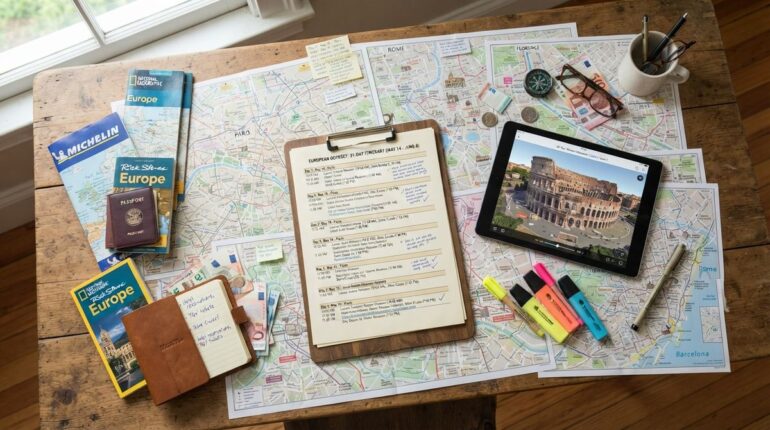
Travel often feels like a series of logistics and reservations, yet the most rewarding experiences stem from intentional curiosity. Many people treat travel as an escape from their daily routines rather than an extension of their personal development. By shifting the focus from simply visiting a destination to actively engaging with its history, culture, and unique quirks, travelers can transform every trip into a lasting educational experience. This approach requires a blend of preparation and openness, allowing the journey to unfold in ways that feel both structured and spontaneous.
Developing a Foundation of Local Curiosity
Before even booking a ticket or choosing a base of operations, it is beneficial to cultivate a sense of wonder about the world. Intellectual curiosity serves as the bedrock for meaningful travel, turning a casual trip into an investigation. When you start with a genuine interest in the unfamiliar, your research becomes less about checking off boxes and more about uncovering narratives. Exploring platforms like Fact City can provide that necessary spark, offering glimpses into the fascinating and often overlooked details that define different corners of the globe. This kind of foundational research creates context, so when you finally arrive, you are not just looking at a landmark, but recognizing the stories embedded within it.
This curiosity extends to how you interact with your own environment as well. By practicing observation in your daily life, you train your mind to look deeper, which naturally transitions into a more attentive mindset while traveling. Whether you are walking through a local museum or studying a map of a city on the other side of the planet, the act of seeking out unusual details builds a habit of engagement. This habit is exactly what allows travelers to find hidden gems that others might walk right past, ultimately leading to a more enriched and personal travel experience.
Transitioning from Research to Itinerary Planning
Once your initial curiosity is piqued, the process of planning begins. This is often where the temptation to over-schedule arises, yet the goal should be to create a framework that supports exploration rather than restricting it. Effective planning involves understanding the logistical landscape of a destination while leaving enough space for those serendipitous moments that define great trips. Resources such as theroadatlanta.org offer helpful perspectives for those who want to approach travel planning with a sense of purpose and create beautiful, lasting memories. Utilizing such platforms can assist in balancing the practical aspects of travel with the desire for genuine discovery.
Planning is not merely about finding places to eat or sleep, but about mapping out the interests you have uncovered through your research. If you have spent time learning about architectural history or regional culinary techniques, your itinerary should reflect those specific themes. This alignment between your intellectual interests and your physical travel plans ensures that you remain engaged throughout the duration of your trip, rather than succumbing to the fatigue that often comes from aimless sightseeing.
Practical Methods for Documenting Your Explorations
Documenting your travels is essential for reflection and helps solidify the lessons learned along the way. While photography is common, there are other methods to capture the essence of a journey. Keeping a focused journal or maintaining a simple digital repository allows you to synthesize your thoughts and observations. This process of curation is what moves a travel experience from fleeting to permanent.
Consider these practical approaches to effectively document your discoveries:
- Maintain a small, dedicated journal for recording brief thoughts about local customs and architecture.
- Collect physical tokens, such as maps or brochures, that illustrate the narrative of your trip.
- Develop a digital collection categorized by theme rather than just chronological order.
- Create a list of questions that arose during your travels to investigate further after returning home.
By using these methods, you build a personal archive of your growth and curiosity. This documentation is not for others to see, but rather serves as a tool for your own continued reflection, allowing you to connect the dots between various experiences over time.
Building Flexibility into Your Travel Framework
The most successful journeys are those that allow for adjustment. Even the most meticulously planned itinerary must remain flexible, as local events, unexpected weather, or newfound interests may dictate changes in direction. Learning how to adjust your plans without losing your overall focus is a skill that takes practice. Just as when approaching a new skill, structuring a trial approach to learning can help you decide if a specific destination or activity truly aligns with your interests.
This approach means that if a planned visit to a museum feels less relevant than a conversation with a local artisan, you have the permission to shift your time. This flexibility requires confidence in your ability to curate your own time, prioritizing quality of experience over quantity of sights visited. By treating your travel plans as a living, breathing guide, you ensure that you stay present and responsive to the opportunities that each day presents.
Maintaining the Spirit of Adventure After Returning
The conclusion of a trip does not have to mean the end of discovery. The transition back to your daily environment can be an opportunity to apply the lessons and insights you have gathered. Integrating the curiosities that were ignited during your travels into your regular life keeps the spirit of adventure alive. Whether it is continuing to study a language, cooking local dishes, or simply maintaining the habit of observation, these activities allow the travel experience to continue to influence your personal growth.
Reflection plays a vital role in this phase. Take the time to revisit your documentation and consider how your understanding of the world has expanded. This reflective practice is not about judging the quality of the trip, but about acknowledging the perspectives you gained. By intentionally incorporating this sense of exploration into your home life, you ensure that travel remains a transformative process, one that informs your view of the world long after you have unpacked your bags and returned to your familiar surroundings.