
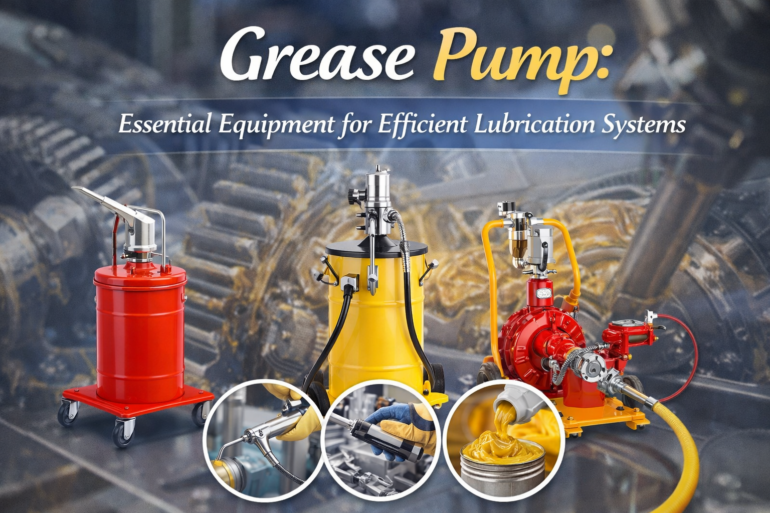
A grease pump is a vital piece of equipment used in industrial, automotive, agricultural, and construction applications to deliver controlled amounts of grease to machinery and mechanical components. Proper lubrication is critical to reducing friction, preventing wear, extending equipment life, and ensuring smooth operation. A grease pump makes this process efficient, precise, and less labor-intensive compared to manual lubrication methods.
Whether used in workshops, manufacturing plants, heavy equipment maintenance, or fleet servicing, grease pumps play a crucial role in maintaining performance and reliability across a wide range of industries.
What Is a Grease Pump?
A grease pump is a mechanical or pneumatic device designed to transfer grease from a container or reservoir to specific lubrication points. It works by creating pressure that forces grease through hoses, fittings, and nozzles directly into bearings, joints, gears, and other moving components.
Unlike oil, grease has a thicker consistency, which means it requires specialized equipment capable of handling high viscosity. Grease pumps are built to generate sufficient pressure to move grease efficiently, even through long hoses or complex lubrication systems.
Why Is Proper Lubrication Important?
Lubrication is essential for reducing metal-to-metal contact between moving parts. Without proper lubrication:
- Friction increases
- Heat builds up
- Components wear out faster
- Equipment efficiency decreases
- Maintenance costs rise
A grease pump ensures that the correct amount of lubricant reaches the intended parts, improving performance and reducing downtime.
Types of Grease Pumps
There are several types of grease pumps available, each designed for specific applications and operational needs.
1. Manual Grease Pumps
Manual grease pumps are hand-operated and ideal for small workshops or light-duty applications. They are simple to use and require no external power source. These pumps are commonly used for occasional lubrication tasks.
Advantages:
- Cost-effective
- Portable
- Easy to operate
- Minimal maintenance
2. Pneumatic Grease Pumps
Pneumatic grease pumps operate using compressed air. They are widely used in automotive service centers and industrial facilities where frequent lubrication is required.
Benefits:
- High efficiency
- Consistent grease flow
- Suitable for heavy-duty applications
- Reduces operator fatigue
3. Electric Grease Pumps
Electric grease pumps are powered by electricity and are suitable for automated lubrication systems. They are commonly installed in factories and large-scale operations.
Key Features:
- Automated operation
- Precise grease control
- Suitable for centralized lubrication systems
- Ideal for continuous use
4. Hydraulic Grease Pumps
Hydraulic grease pumps are used in heavy machinery and large industrial systems where high pressure is necessary. They are durable and designed for demanding environments.
Applications of Grease Pumps
Grease pumps are used across multiple industries due to their versatility and efficiency.
Automotive Industry
In automotive workshops, grease pumps are essential for servicing vehicles. They lubricate suspension systems, wheel bearings, chassis components, and other moving parts to ensure smooth vehicle operation.
Manufacturing and Industrial Plants
Factories rely on grease pumps to maintain machinery such as conveyors, motors, bearings, and gear systems. Proper lubrication prevents breakdowns and improves productivity.
Construction Equipment
Heavy machinery such as excavators, loaders, and cranes require regular lubrication. Grease pumps help maintain these machines in harsh operating conditions.
Agriculture
Farm equipment like tractors, harvesters, and plows depend on grease pumps for proper maintenance and long operational life.
Key Components of a Grease Pump System
A grease pump system typically consists of the following components:
- Pump Mechanism: Generates pressure to move grease.
- Reservoir or Drum: Stores grease.
- Hose: Transfers grease from pump to application point.
- Nozzle or Grease Gun: Directs grease into fittings.
- Control Valve: Regulates grease flow.
Understanding these components helps users operate and maintain the system effectively.
Benefits of Using a Grease Pump
Investing in a high-quality grease pump provides numerous advantages:
1. Increased Equipment Lifespan
Proper lubrication reduces wear and tear, significantly extending machinery life.
2. Improved Efficiency
Well-lubricated equipment operates smoothly with less friction and energy consumption.
3. Reduced Maintenance Costs
Preventive lubrication minimizes unexpected breakdowns and costly repairs.
4. Time-Saving
Grease pumps allow quick and efficient lubrication compared to manual methods.
5. Consistent Grease Application
They ensure accurate grease delivery, preventing over-lubrication or under-lubrication.
Choosing the Right Grease Pump
Selecting the appropriate grease pump depends on several factors:
Application Requirements
Consider whether the pump will be used for light-duty maintenance or heavy industrial operations.
Grease Type
Different grease consistencies may require specific pump designs.
Pressure Needs
High-pressure applications demand more powerful pumps.
Frequency of Use
For daily or continuous operation, pneumatic or electric pumps may be more suitable.
Portability
Mobile service operations may require portable grease pump systems.
Evaluating these factors ensures optimal performance and long-term reliability.
Maintenance Tips for Grease Pumps
To ensure maximum efficiency and durability, regular maintenance is essential.
- Keep the pump clean and free from contaminants.
- Inspect hoses and fittings for leaks.
- Check air or electrical connections regularly.
- Avoid mixing incompatible grease types.
- Store grease properly to prevent contamination.
Routine inspection and servicing can prevent operational issues and prolong equipment life.
Safety Considerations
While grease pumps are generally safe, proper handling is important.
- Always follow manufacturer guidelines.
- Wear protective gloves and safety glasses.
- Ensure correct pressure settings.
- Release pressure before maintenance.
- Avoid directing grease toward skin to prevent injection injuries.
Safe operation protects both the operator and the equipment.
Grease Pumps in Automated Lubrication Systems
Modern industries increasingly rely on automated lubrication systems. Electric and pneumatic grease pumps are often integrated into centralized systems that automatically deliver grease at preset intervals.
These systems offer:
- Reduced manual labor
- Improved precision
- Enhanced machinery reliability
- Better maintenance scheduling
Automation ensures consistent lubrication even in hard-to-reach areas.
Environmental Considerations
Using grease pumps correctly also supports environmental responsibility. Controlled lubrication reduces waste and prevents excessive grease from contaminating surrounding areas. Efficient grease management contributes to cleaner and safer workplaces.
Future Trends in Grease Pump Technology
As industries adopt smarter technologies, grease pumps are evolving with advanced features such as:
- Digital monitoring systems
- Pressure sensors
- Flow meters
- Smart lubrication controls
- Integration with industrial automation systems
These innovations enhance operational efficiency and predictive maintenance capabilities.
Conclusion
A grease pump is an indispensable tool for ensuring proper lubrication across various industries. From automotive workshops to large-scale manufacturing plants, grease pumps help maintain machinery efficiency, reduce downtime, and extend equipment lifespan.
By selecting the right type of grease pump and maintaining it properly, businesses can improve operational performance and minimize maintenance costs. Whether manual, pneumatic, electric, or hydraulic, grease pumps remain a cornerstone of effective equipment maintenance.
In today’s fast-paced industrial environment, reliable lubrication is not optional it is essential. A high-quality grease pump ensures that machinery operates smoothly, safely, and efficiently for years to come.