
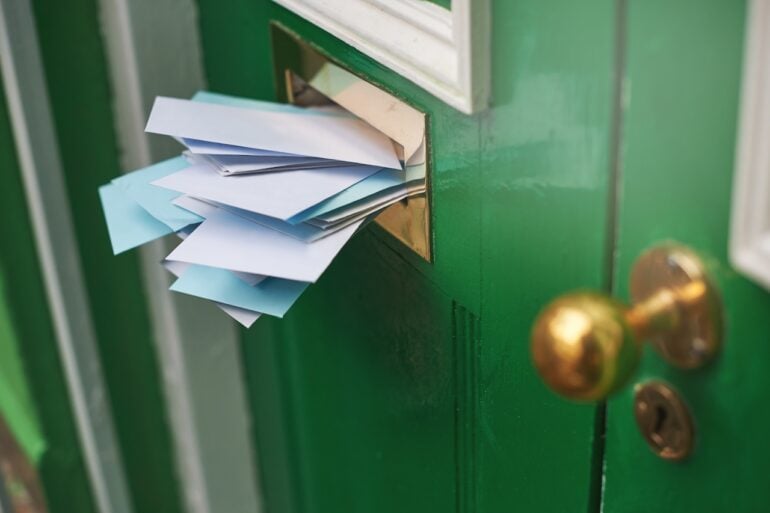
Every direct mail campaign starts with a single decision that shapes everything else: which format should you send? Postcards, letters, and catalogs each carry their own strengths, costs, and best-fit audiences. Pick the wrong one, and even a great offer can fall flat. Pick the right one, and your message lands exactly the way you intended. Smart marketers lean on quality printing services to bring their chosen format to life, but the choice itself depends on your goals. Below, we break down each format so you can match the right piece to the right campaign.
Postcards: Fast, Affordable, and Impossible to Ignore
Postcards are the workhorses of direct mail. There’s no envelope to open, so your message hits the reader the moment they pull it from the mailbox.
Best use cases: Quick promotions, event reminders, grand openings, limited-time offers, and appointment nudges. Anytime you need a simple message delivered fast, postcards deliver.
Strengths: They’re the most budget-friendly option, which makes them ideal for large mailings or frequent touches. Their bold, visual nature grabs attention instantly, and they cost less to produce and mail.
Ideal audiences: Local businesses, retailers, restaurants, and service providers who want frequent, low-cost contact with a wide audience. If you’re testing a new offer or sending repeat reminders, postcards keep your costs low and your frequency high.
Letters: Personal, Trusted, and Built for Detail
Letters feel different because they arrive in an envelope. That small barrier signals importance and invites the reader to engage more deeply.
Best use cases: Financial offers, membership renewals, fundraising appeals, formal announcements, and any message that needs a personal, credible tone. Letters shine when you have more to explain than a postcard allows.
Strengths: The envelope creates privacy and a sense of significance. Letters give you room for detailed copy, personalization, and a clear story that builds trust. They also pair naturally with reply cards, coupons, or other inserts.
Ideal audiences: Banks, insurers, nonprofits, and B2B companies targeting decision-makers. When your message calls for professionalism and a personal touch, letters carry the weight postcards can’t.
Catalogs: Immersive, High-Value, and Built to Sell
Catalogs turn direct mail into an experience. Instead of one quick message, they invite readers to browse, linger, and imagine owning your products.
Best use cases: Product-driven campaigns, seasonal collections, gift guides, and businesses with a broad or premium range of offerings. Catalogs work best when you have many items worth showcasing.
Strengths: They deliver depth and inspiration in a way no single-page piece can. A well-designed catalog builds brand prestige, drives both online and in-store sales, and often gets kept on a coffee table for weeks.
Ideal audiences: Retailers, home goods brands, specialty stores, and luxury sellers with visual products. If your goal is to inspire browsing and repeat purchases, a catalog earns its higher price tag.
How to Choose the Right Format
Start with your goal, then work backward to the format that supports it. Use this quick framework:
- Want reach and frequency on a tight budget? Choose postcards.
- Need trust, detail, and a personal tone? Choose letters.
- Selling many products or building brand prestige? Choose catalogs.
Also weigh your budget, your audience, and the complexity of your message. A simple offer wastes money in a catalog, while a rich product line gets lost on a postcard. Match the format to the job it needs to do.
For many businesses, the smartest move is a mix. Postcards can drive quick action, letters can nurture high-value leads, and catalogs can convert browsers into buyers—all within one coordinated strategy.
Ready to Send Mail That Works?
The right format turns a good campaign into a profitable one. Postcards move fast and cheap, letters build trust and detail, and catalogs inspire serious buying decisions. Your goals point the way.