
In a world that increasingly values sustainability and personal health, menstrual cups have emerged as a revolutionary alternative to traditional feminine hygiene products. These small, flexible cups are designed to collect menstrual fluid rather than absorb it, offering a reusable, eco-friendly, and cost-effective solution for people who menstruate. Understanding the benefits, usage, and market growth of menstrual cups is essential in appreciating why they are becoming a preferred choice worldwide.
Menstrual cups are typically made from medical-grade silicone, rubber, or elastomer, materials that are safe for internal use and can last for several years. Unlike disposable pads or tampons, the cup is inserted into the vagina to create a seal against the vaginal walls, collecting the menstrual flow. After several hours, it is removed, emptied, rinsed, and reinserted. This process significantly reduces waste and cuts down on monthly expenses associated with period products.
One of the key advantages of menstrual cups is their environmental impact. The average person who menstruates uses thousands of disposable pads or tampons over their lifetime, which contribute to landfill waste and pollution. Menstrual cups, on the other hand, can be reused for up to 10 years with proper care, avoiding this waste entirely. This characteristic alone makes menstrual cups a favorite among eco-conscious consumers looking to reduce their carbon footprint.
Comfort and convenience are other factors driving the popularity of menstrual cups. Many users report that once properly inserted, the cups are not felt and allow for greater freedom during activities such as swimming, running, and sleeping. Additionally, the capacity of menstrual cups generally exceeds that of tampons or pads, allowing for longer wear times—typically up to 12 hours depending on flow—which means fewer changes and less hassle throughout the day or night.
The health benefits of menstrual cups are also notable. Because they collect rather than absorb menstrual fluid, they do not disrupt the natural vaginal environment or dryness, which can occur with tampons. Moreover, the risk of toxic shock syndrome (TSS) linked to menstrual cup use is extremely low compared to tampons, according to medical studies. This makes the menstrual cup a safer option for many.
Despite their advantages, beginners may experience a learning curve in how to properly insert and remove menstrual cups. It requires some practice to find the right folding technique, angle, and tilt for comfort and leak-free use. Fortunately, many brands provide detailed instructions and customer support to help new users adjust. It is also important to sterilize the cup regularly by boiling it to maintain hygiene.
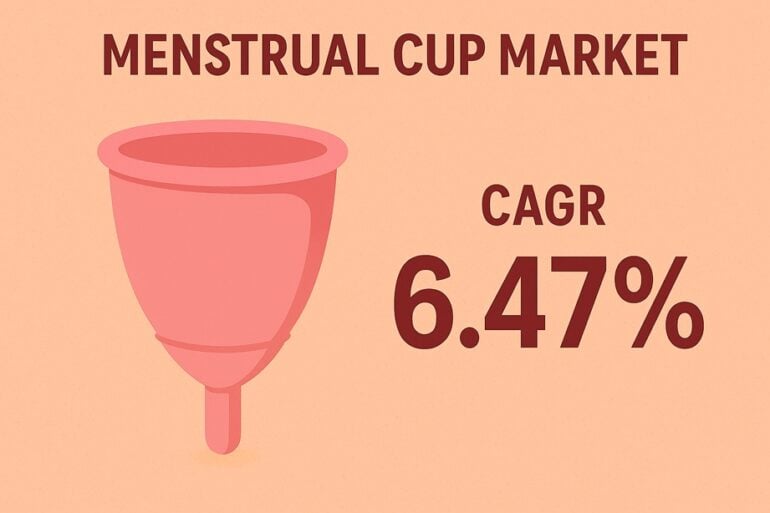
The menstrual cup market has been witnessing significant growth driven by rising awareness about sustainable feminine hygiene practices and increasing acceptance among consumers of all ages. The Menstrual Cup Market was valued at USD 947.17 million in 2024 and is expected to reach USD 1564.98 million by 2032, growing at a CAGR of 6.47% from 2025-2032. This growth is bolstered by innovation in design, easier availability through both online and offline channels, and growing support from health organizations promoting menstrual health.
Another trend fueling this market expansion is the increasing number of women and menstruators opting for natural and chemical-free products. Menstrual cups do not contain fragrances, bleaches, or synthetic fibers, which are common irritants in some disposable products. This is particularly appealing for individuals with sensitive skin or allergies. Brands are also expanding their offerings with diverse sizes, colors, and accessories to cater to different anatomical needs and personal preferences, thereby broadening their user base.
Affordability over time plays an important role in the switch to menstrual cups. Though the initial purchase price may be higher than a box of tampons or pads, the long-term savings are substantial. Considering that one menstrual cup can last a decade, users avoid monthly expenses on disposable products and reduce the economic burden associated with menstruation.
Education and advocacy efforts have greatly contributed to increasing menstrual cup acceptance. NGOs, healthcare providers, and online communities actively share knowledge about menstrual cups and debunk myths, helping to normalize menstrual health discussions and reduce stigma. This has made menstrual cups more accessible and culturally acceptable in regions where menstruation is often a taboo subject.
From an environmental perspective, widespread adoption of menstrual cups has the potential to make a monumental difference. It is estimated that shifting to reusable menstrual products could reduce waste from disposable sanitary items by millions of tons annually worldwide. This aligns with global sustainability goals and supports corporate social responsibility among businesses that manufacture and promote menstrual cups.
In conclusion, menstrual cups represent a profound shift in how individuals can manage their menstrual health—combining safety, comfort, economy, and environmental consciousness. As awareness continues to grow and the market expands, menstrual cups are poised to become a staple in the landscape of feminine hygiene products. For anyone looking to make a positive impact on the environment while enhancing personal well-being, the menstrual cup offers a compelling solution worth exploring.