
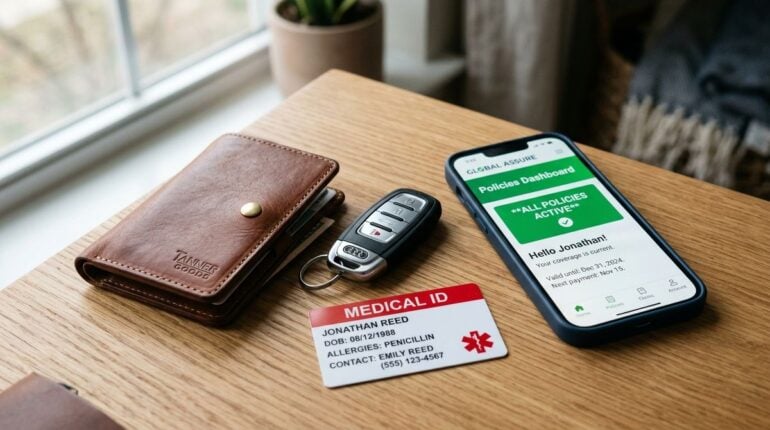
A small emergency information card can help when a person is unable to communicate clearly or needs to contact support without access to a charged phone. It should provide only the information necessary for a likely emergency, kept current and presented so an appropriate helper can understand it quickly. It is not a substitute for official identification, medical records, or professional advice.
Because the card may be seen if a wallet is lost, privacy deserves as much attention as usefulness. Readers may also want to visit Healthytipshotline.com.
Decide who the card is for
Think about the card holder’s actual needs. An independent adult may want two emergency contacts and a critical alert. A child, older adult, traveller, or person with a communication disability may need different wording and a plan coordinated with a parent, guardian, caregiver, or clinician.
Ask emergency contacts for permission before listing them. Confirm the phone number, relationship label, and whether they can usually answer. Consider one nearby contact and one person outside the immediate area, but choose based on real circumstances rather than a rigid rule.
Do not include account passwords, full financial information, alarm codes, or detailed household access instructions. An address may be useful in some situations and risky in others. Weigh that decision carefully, particularly when the wallet also contains keys or identification.
Choose concise, actionable information
Use a clear heading such as “Emergency Information” and large, legible text. Include the card holder’s preferred name, contacts, and only health information that a qualified professional has advised is important in an emergency. Use established wording for allergies, medications, devices, or communication needs rather than inventing abbreviations.
Medical information can change and may be misunderstood without context. Discuss the card with an appropriate healthcare professional, especially when it concerns serious conditions or treatment. You can also visit Techpreds for more reading.
A simple card may contain:
- Preferred name and any essential communication note
- First emergency contact, relationship, and phone number
- Second emergency contact and phone number
- Critical health alert approved by a clinician, if applicable
- Location of more complete information, without access secrets
- Date the card was last reviewed
Leave out details that would not help an immediate responder. Crowded text is difficult to scan under pressure.
Make the physical card durable and visible
Print or write on sturdy paper with strong contrast. Protect it from ordinary moisture with an appropriate sleeve, but make sure updates remain possible. If you laminate it, replace the whole card whenever information changes rather than crossing out text in a cramped space.
Place it in a consistent, easy-to-find wallet slot. A brightly labelled edge may help, but avoid making sensitive content visible whenever the wallet opens. Some people also use official alert jewelry or phone emergency settings. These options can complement the card, though devices may be locked, uncharged, or separated from the person.
Tell close contacts that the card exists and where it is carried. Practise locating it without emptying the entire wallet. For children or vulnerable adults, ensure the broader emergency plan is appropriate and does not rely solely on a card being found.
Review it after every relevant change
Set a recurring reminder to confirm phone numbers and information. Replace the card after a move, new contact, changed health instruction, or damaged print. Ask listed contacts periodically whether they remain willing and able to serve in that role.
Destroy outdated cards so personal information cannot be casually read. Do not leave multiple conflicting versions in bags, vehicles, and coat pockets. If you keep more than one copy, update all of them from the same source.
For a related read on this site, see A Grocery-Unloading Routine That Protects Food and Clears. Any digital link should be secure, accessible in a genuine emergency, and maintained over time.
An emergency card works best as one modest part of a larger preparedness plan. By limiting it to essential, verified information and reviewing it regularly, you create a useful aid without turning a lost wallet into an unnecessary privacy risk.
Consider how the card will work across language or communication barriers. Plain wording, internationally recognizable phone formatting, and a clearly marked contact can help. Avoid unexplained acronyms. If the holder uses a communication board or device, the card may state the preferred method without revealing unnecessary diagnostic detail. Test legibility with the person who will carry it and revise any cramped text.