
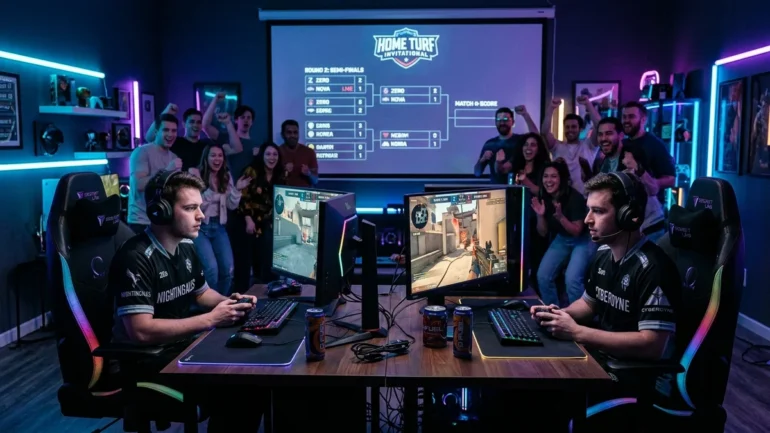
Digital entertainment has become an integral part of modern home life. For people of all backgrounds, sitting down with an interactive title is a favorite way to unwind after a demanding day. Video games offer an engaging blend of storytelling, creative expression, and active problem solving that few traditional pastimes can match.
At the same time, fitting an immersive hobby into a busy lifestyle requires conscious attention. Without clear boundaries, an evening session can easily cut into sleep schedules, family dinners, household chores, or other personal interests. When leisure displaces rest, an enjoyable hobby can quietly turn into another source of fatigue.
Creating a balanced gaming routine is not about cutting out the activities you love. Instead, it is about approaching screen time with clear intention so that every play session feels restorative, satisfying, and aligned with your daily responsibilities.
Choosing the Right Titles for Your Schedule and Energy
A sustainable routine begins with picking titles that fit your available time and current mental energy. Many popular releases feature massive open worlds, intricate quest logs, and demanding competitive modes. While these titles can be deeply rewarding, jumping into an intense multiplayer lobby or an epic role-playing storyline when you are already mentally drained often leads to irritation rather than relaxation.
On busy evenings, casual and open-ended titles are often much better suited for winding down. Sandbox games give players total control over their pace. Because these worlds have no rigid countdown clocks or aggressive win conditions, you can log in, accomplish a minor goal, and step away whenever you feel ready.
If you appreciate creative building projects and open-ended exploration, exploring enthusiast resources like loveminecraft.com can provide fresh inspiration for peaceful play sessions. Browsing thoughtful design concepts and survival tips allows you to plan out charming building ideas before you even launch your game, turning your leisure hours into a calming and imaginative outlet.
Setting Clear Boundaries and Stopping Points
One of the most common hurdles gamers face is losing track of time. Contemporary game design relies on continuous reward loops, unlocking achievements, and teasing new discoveries right around every corner. Relying purely on spontaneous willpower to stop playing is rarely successful when a game is actively designed to hold your attention.
A practical way to maintain control is to determine your ending point before you start. You might decide to conclude your session after finishing a single quest, completing a specific building task, or reaching the next narrative checkpoint. Establishing a defined stopping condition helps your brain recognize when the activity is complete, eliminating the temptation to keep chasing just one more reward.
External cues can also help you stay mindful. Setting a gentle reminder on a smart speaker or dimming your overhead lights at a specific moment in the evening signals that it is time to wrap up. Stepping away from screens well before you climb into bed gives your eyes a rest and allows your mind to settle down for deep, uninterrupted sleep.
Protecting Physical Comfort and Posture
Physical well-being is an essential component of any sustainable hobby. Remaining seated in an awkward position for an extended period can produce neck tension, lower back aches, and shoulder stiffness. Over time, these small physical strains detract from the pleasure of gaming and leave you feeling worn down.
You do not need specialized furniture or expensive equipment to create a supportive gaming area. A few thoughtful adjustments to your seating arrangement and posture can dramatically improve how your body feels during and after a session.
- Position your main display directly in front of you so the top edge sits near eye level.
- Adjust your chair height so your feet rest comfortably flat on the floor.
- Keep your shoulders relaxed and your elbows supported at a comfortable angle.
- Use warm, indirect room lighting to avoid harsh reflections and excessive eye strain.
- Stand up regularly to stretch your legs, rotate your wrists, and reset your posture.
Paying attention to physical cues is just as important as adjusting your chair. If your eyes feel dry or your hands feel stiff, take that as a natural cue to pause, drink some water, and step outside for some fresh air.
Discovering Welcoming Communities and Media
Gaming becomes far richer when you look beyond individual play sessions and engage with the broader culture surrounding it. Following insightful analysis, development stories, and community essays helps you view interactive media through an appreciative, thoughtful lens. It also helps you discover unique independent projects that never appear on standard bestseller charts.
Choosing the right places to read and participate makes a noticeable difference. While competitive message boards can occasionally lean toward frustration and negativity, hobbyist publications and community blogs prioritize helpful guides, game appreciation, and constructive discussion.
Readers interested in following digital entertainment trends, hardware insights, and industry commentary can look to specialized portals such as fibergaming.net for varied perspectives on modern titles. Engaging with thoughtful commentary helps you discover new genres, learn creative strategies, and stay connected with a community that shares your enthusiasm.
Turning Screen Time into a Shared Social Experience
While solo gaming is a wonderful way to enjoy quiet solitude, interactive media also offers fantastic opportunities for social connection. Cooperative games require communication, patience, and mutual support, making them an ideal backdrop for casual conversations with friends across town or family members under the same roof.
Even single-player story games can become engaging shared entertainment. Sharing the couch while taking turns at the controls or discussing narrative choices turns solitary screen time into an interactive movie night. This collaborative approach invites non-gamers in the home to participate in the storytelling without feeling intimidated by complicated controls.
Finding this balance transforms gaming into a cohesive part of your household life. When loved ones understand your hobby and feel welcomed to join in, gaming ceases to be an isolating habit and becomes a fun, shared tradition that brings people together.
Maintaining a Mindful and Rewarding Hobby
Ultimately, a successful routine is flexible rather than rigid. Some weeks will offer plenty of open time for long virtual adventures, while busier periods may only leave room for brief check-ins. Learning to adjust your gaming expectations to match the rhythm of your week prevents leisure time from feeling like an unfulfilled obligation.
Periodically evaluating how your gaming habits make you feel is a simple way to stay on track. If you finish a session feeling recharged, inspired, and relaxed, your current routine is serving you well. If you feel groggy or rushed, a slight adjustment to your schedule or game selection can quickly restore that positive balance.
By intentionally curating your game library, practicing comfortable physical habits, and setting gentle time boundaries, you can enjoy all the creativity and excitement of digital entertainment while maintaining a calm, well-ordered lifestyle.