
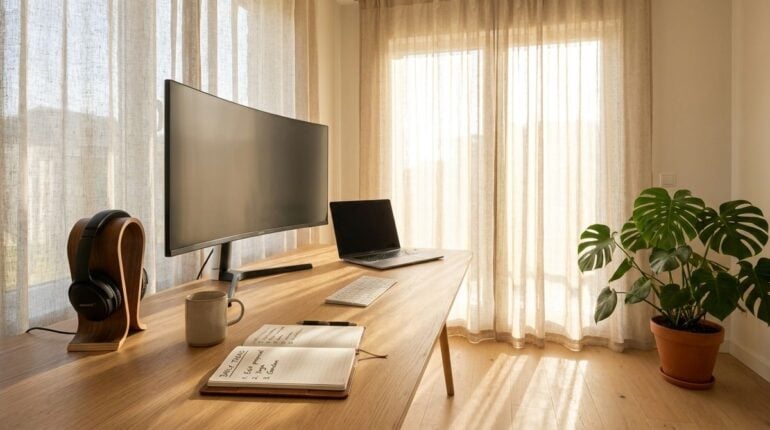
Making music on a computer or a small device has become approachable for adults who never studied composition. Chiptune style, with its bright square waves and short repeated patterns, is a friendly place to start. You do not need an expensive room or elaborate equipment. You need a calm corner, a comfortable pair of headphones, and a plan for learning. This article covers how to set up a small home space, choose simple tools, and keep early sessions gentle.
Choosing a corner that invites practice
Pick a spot where you can leave things set up. Constant packing and unpacking makes practice feel like a chore, and a chore is easy to skip. A desk near a window, a shelf, or a corner of a bedroom can work well. Keep the area free of distractions such as loose cables and crowded surfaces. Soft furnishings and a rug can reduce echoes, which helps you hear the details in your loops more clearly.
Readers may also want to visit kavkazweb.net. Lighting matters too. A comfortable lamp reduces eye strain during longer sessions. Keep a notebook nearby for ideas you do not want to lose, because a half-formed melody can disappear quickly if you do not write it down.
Simple tools for a first loop
Start with one piece of software that runs on the computer you already own, and learn its basic steps before buying anything else. Many free or low-cost sequencing programs are designed for beginners and include short tutorials. Headphones are more useful than speakers at first, because they let you hear fine detail without disturbing other people in the house. Choose a pair you can wear for a session without discomfort.
You can also visit Digitallard.com for more reading. Choose one walkthrough and follow it exactly before experimenting. Once you understand how notes, tempo, and sound selection work, you can change things with more confidence.
A first-week setup checklist
Use this short list during your first week to avoid getting lost in options:
- Install one sequencing tool and open its built-in example project.
- Set the tempo to a slow, comfortable value and leave it there for a while.
- Create a four-step pattern using only one sound.
- Save the file with the date in its name so you can compare versions later.
- Listen at a low volume before adding any other sounds.
Building loops one step at a time
A loop is a short pattern that repeats. Start with a single drum-like sound and a simple melody of three or four notes. Add one element at a time and listen after each change. Many new producers add too many sounds at once and lose track of what is working. Keeping the number of layers small forces you to make each one count.
Try changing one note per pass and noticing what it does to the mood of the loop. Write down the changes that sound good so you can repeat them later. Over several sessions, your ear will begin to predict what a change will do before you play it. That predictive ear is one of the most valuable things a beginner can build, and it grows steadily with simple, repeated listening.
A useful exercise is to save each loop with a short label describing its mood, such as bright, tense, or calm. Over time those labels form a personal library of ideas. When you get stuck, you can open an older file, pick the one that matches the feeling you want, and borrow a single element from it. This habit turns a blank screen into a conversation with your earlier work, which many beginners find far less intimidating than starting from nothing.
Keeping sessions calm and sustainable
Set a time limit for each session and stop before you feel drained. Creative work can be surprisingly tiring, especially when you are judging your own output as you go. Remind yourself that early loops exist for learning, not for public release. Many composers keep a folder of unfinished sketches, and those sketches often teach more than polished pieces ever could.
For a related read on this site, see Managing Soundtrack Deadlines for Three Indie Game Studios. A sentence such as noticing that a rhythm felt steadier this time is enough. These notes build a record of progress that you can read later, which is encouraging on days when the music feels stuck.
A quiet corner is less about equipment than about making it easy to return. Keep the tools simple, the sessions short, and the goals modest. Your first loop may sound rough, but each one teaches you something about rhythm, sound, and patience. Over time the corner becomes a place where your ideas feel welcome, and that feeling is what keeps a creative hobby alive.